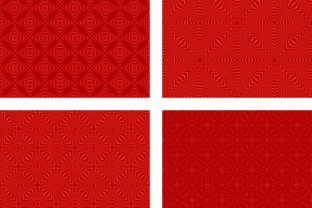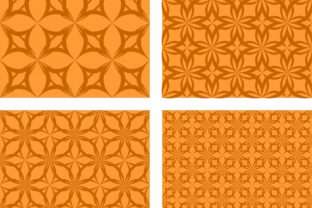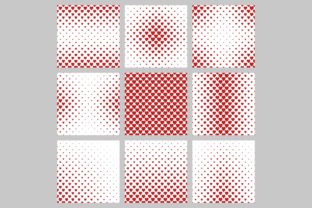
Abstract Geometric Patterns Set in Four Colors: A Versatile Design Resource
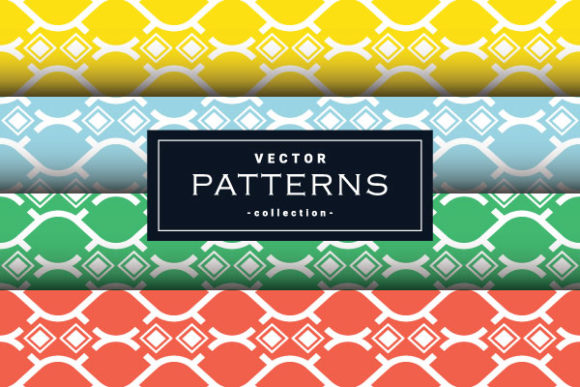
Abstract geometric patterns have long been a staple in the world of visual design, offering both aesthetic appeal and structural clarity. When these patterns are set in a four-color scheme, they become even more versatile, adaptable, and visually engaging. The Abstract Geometric Patterns Set in is not just a collection of shapes; it's a comprehensive design toolkit that can be applied across various industries and creative fields.
The Anatomy of an Abstract Geometric Pattern
At its core, an abstract geometric pattern consists of repeating shapes—circles, triangles, squares, hexagons, and more—arranged in a structured yet artistic manner. These elements are often placed on separate layers, allowing for greater control and flexibility during the design process. This layering technique ensures that each component remains distinct, enabling designers to modify or replace individual elements without affecting the rest of the composition.
The use of four colors adds another dimension to these patterns. By carefully selecting and contrasting these hues, designers can create visual interest, depth, and harmony. Each color serves a purpose: one might act as a background, another as an accent, while the remaining two provide balance and contrast. This thoughtful color selection enhances the overall impact of the pattern, making it suitable for both digital and print media.
High-Quality Vector Illustration: Why It Matters
One of the standout features of the Abstract Geometric Patterns Set in is its high-quality vector illustration format. Unlike raster images, which can lose clarity when scaled, vector graphics maintain their sharpness and detail at any size. This makes them ideal for use in a wide range of applications, from small icons to large banners or posters.
Vector illustrations also offer significant advantages in terms of editability. Since each element is on a separate layer, designers can easily adjust the position, size, or color of individual components without compromising the integrity of the entire design. This level of customization is especially valuable for professionals who require precision and adaptability in their work.
Applications Across Industries
The versatility of the Abstract Geometric Patterns Set in means it can be used in numerous contexts. In the education sector, these patterns can serve as teaching tools for geometry and art classes. Students can explore concepts like symmetry, proportion, and color theory through hands-on design activities.
In the business world, these patterns are often incorporated into branding materials such as logos, websites, and marketing collateral. Their clean and modern aesthetic aligns well with contemporary design trends, helping businesses stand out in a competitive market. Additionally, they can be used in presentations or reports to add visual appeal and reinforce key messages.
For creatives and artists, the Abstract Geometric Patterns Set in offers endless possibilities for experimentation. Whether used as a base for digital artwork, a texture overlay, or a decorative element, these patterns can elevate the visual quality of any project. They are also useful for those working in graphic design, web development, or user interface (UI) design, where consistency and scalability are essential.
Formats Included: Practicality Meets Accessibility
The Abstract Geometric Patterns Set in comes in multiple formats, ensuring compatibility with a variety of software and platforms. The primary file is an editable EPS 10 file, which is widely supported by vector editing programs like Adobe Illustrator and CorelDRAW. This allows users to make precise adjustments and integrate the patterns seamlessly into their existing workflows.
In addition to the EPS file, a JPG preview is included for quick reference and initial use. This format is perfect for those who need a fast, lightweight version of the pattern for presentations, social media, or website backgrounds. The combination of these formats ensures that the design resource is accessible to both professionals and hobbyists alike.
Design Considerations and Best Practices
When incorporating the Abstract Geometric Patterns Set in into a design project, there are several considerations to keep in mind. First, it's important to understand the intended use of the pattern. For example, a highly detailed pattern may not be suitable for a mobile app interface due to performance constraints, whereas a simpler version could work better.
Color contrast is another critical factor. While the four-color scheme provides flexibility, it's essential to ensure that the chosen colors are visually balanced and do not cause eye strain. Tools like color contrast checkers can help identify optimal combinations that meet accessibility standards.
Additionally, the resolution of the final output should be considered. Vector files maintain quality at any scale, but when exporting to raster formats, it's important to choose an appropriate resolution based on the intended use. High-resolution exports are recommended for print, while lower resolutions may suffice for digital displays.
Real-World Examples and Observations
One notable example of the Abstract Geometric Patterns Set in in action is its use in educational materials. Teachers and educators have reported that these patterns help students grasp complex geometric concepts through visual learning. The ability to manipulate and customize the patterns allows for personalized learning experiences tailored to different age groups and skill levels.
In the corporate world, companies have utilized these patterns to create cohesive brand identities. By integrating the patterns into their logos, websites, and packaging, businesses have achieved a unified visual language that resonates with their target audience. The clean and modern design of these patterns also aligns with current trends in minimalism and flat design.
For independent creators, the Abstract Geometric Patterns Set in has proven to be a valuable asset in expanding their creative repertoire. Artists and designers have used these patterns as a foundation for larger projects, such as murals, textiles, and digital illustrations. The ease of use and scalability of the patterns make them an excellent choice for both beginners and seasoned professionals.
Conclusion
The Abstract Geometric Patterns Set in is more than just a design resource—it's a powerful tool that bridges creativity and functionality. Its unique combination of geometric structure, color variety, and vector-based format makes it adaptable to a wide range of applications. Whether you're an educator, a designer, or a hobbyist, this set offers something valuable to your creative journey.