Swirl Patterns: A Strategic Tool for Creative and Practical Applications
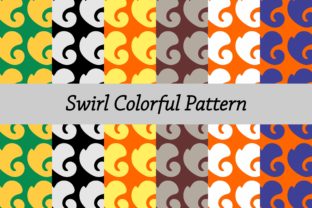
Swirl Patterns are more than just decorative elements—they are a versatile design language that can be strategically applied across multiple domains. This set of six digital colored patterns, each 12×12 inches in size and available in high-resolution JPEG format at 300dpi, offers a unique blend of aesthetics and functionality. Whether you're designing digital textiles, creating business cards, or developing brand assets, these Swirl Patterns provide a foundation for visual storytelling and creative expression.
The Strategic Value of Swirl Patterns
In an era where visual identity plays a critical role in branding and communication, the thoughtful use of Swirl Patterns can significantly enhance your creative output. These patterns are not just about adding color and texture; they serve as a strategic tool to support your goals, planning, and positioning. By incorporating Swirl Patterns into your projects, you can create a cohesive visual language that aligns with your brand’s personality and values.
For entrepreneurs and small business owners, Swirl Patterns offer an opportunity to differentiate their offerings through unique design elements. In marketing and branding, consistency is key, and these patterns help maintain that consistency across various touchpoints—from logos to packaging. The versatility of Swirl Patterns allows them to be adapted to different formats and mediums, ensuring that your brand remains visually engaging and memorable.
When to Use Swirl Patterns
Understanding when to use Swirl Patterns is essential for maximizing their impact. These patterns are particularly effective in scenarios where visual appeal and brand identity intersect. For instance, in digital textile designs, Swirl Patterns can add a dynamic and artistic element that sets your products apart from competitors. Similarly, in the creation of business cards or invitations, they can elevate the perceived value of your materials while maintaining a professional tone.
Handmade stationery and website backgrounds also benefit from the use of Swirl Patterns. Their fluid and organic nature makes them ideal for environments where creativity and personalization are valued. When designing for websites, these patterns can be used as background elements to guide user attention without overwhelming the content. This balance between aesthetics and usability is crucial for effective communication and user engagement.
How to Approach Swirl Patterns Strategically
To harness the full potential of Swirl Patterns, it's important to approach them with intention and purpose. Begin by defining your objectives and identifying how these patterns can support your goals. Are you looking to enhance brand recognition, improve customer experience, or streamline your creative process? Clarifying these points will help you select the most appropriate patterns for your needs.
Next, consider the context in which you'll be using the Swirl Patterns. Will they be part of a larger design system, or will they serve as standalone elements? Understanding the broader design framework ensures that the patterns integrate seamlessly and contribute to a unified visual narrative. Additionally, testing the patterns in different applications can provide valuable insights into their effectiveness and adaptability.
It’s also important to think about scalability and flexibility. High-resolution JPEGs ensure that the patterns remain sharp and clear regardless of the medium or platform. This makes them suitable for both small-scale projects and large-scale productions, providing a reliable resource for designers and creators alike.
Practical Examples and Use Cases
Let’s explore some practical examples of how Swirl Patterns can be applied in real-world scenarios:
- Digital Textile Designs: Swirl Patterns can be used to create fabric prints that are both eye-catching and functional. These designs are perfect for clothing, home décor, and other textile-based products.
- Business Card Making: Adding a subtle Swirl Pattern to your business cards can make them stand out while maintaining a professional appearance. It adds a touch of elegance without being distracting.
- Poster Stickers: These patterns can be used as background elements on posters and stickers, enhancing visual appeal and making your designs more engaging.
- Handmade Stationery: Incorporating Swirl Patterns into notebooks, planners, and greeting cards can add a personal and artistic touch, appealing to a wide range of audiences.
- Websites and Logos: Using Swirl Patterns as website backgrounds or logo elements can help reinforce brand identity and create a cohesive look across all digital platforms.
- Invitations and Tags: These patterns can be used to design elegant and visually appealing invitations and tags, adding a sense of sophistication to your event or product launches.
- Packaging: Swirl Patterns can be integrated into product packaging to create a memorable unboxing experience, enhancing customer satisfaction and brand loyalty.
Strategic Observations and Decision-Making Guidance
While Swirl Patterns offer numerous benefits, it’s important to use them intentionally rather than randomly. One key consideration is alignment with your brand’s aesthetic and messaging. Not all patterns will suit every brand, so it’s crucial to choose ones that reflect your core values and target audience.
Another important factor is the balance between creativity and clarity. While Swirl Patterns can add visual interest, they should not overshadow the main content or message. Ensuring that the patterns complement rather than compete with your design elements is essential for effective communication.
Additionally, consider the long-term value of your design choices. Swirl Patterns that are adaptable and scalable can continue to serve your needs as your business evolves. This forward-thinking approach ensures that your design investments remain relevant and impactful over time.
Risks of Using Swirl Patterns Without Clear Goals
Using Swirl Patterns without a clear understanding of your goals or context can lead to suboptimal results. Random application of these patterns may result in visual clutter, reduced brand consistency, and diminished user experience. In some cases, it can even alienate your target audience if the patterns do not align with their expectations or preferences.
Moreover, without a strategic framework, the creative process can become inefficient. Designing with a purpose ensures that each element contributes to the overall objective, whether that’s enhancing brand recognition, improving customer engagement, or streamlining operations.
Conclusion
Swirl Patterns are a powerful tool for designers, entrepreneurs, and creators who are looking to enhance their visual communication and brand identity. By approaching them with intention, understanding their strategic value, and applying them in the right contexts, you can unlock new opportunities for creativity, productivity, and long-term success.